Emergency LA Commercial Roof Repair Title 24 Compliant Funding
Urban Climate Initiative provides rapid response thermal assessments + repair incentives for urgent LA roof failures.
Emergency LA Commercial Roof Repair | Title 24 Compliant Funding
Urban Climate Initiative provides rapid response thermal assessments + repair incentives for urgent LA roof failures.
Emergency LA Commercial Roof Repair Funding
When a roof emergency hits a commercial building in Los Angeles, owners are usually forced into fast, expensive decisions. Wind damage, sudden membrane failure, and storm‑driven leaks can threaten inventory, operations, and tenant relationships within hours. In that chaos, it is easy to miss the opportunity to also meet Title 24 requirements and capture emergency repair funding. Urban Climate Initiative, a California 501(c)(3) nonprofit, was created to bridge that gap—providing rapid‑response thermal assessments and incentive guidance so urgent repairs can be funded and compliant at the same time.
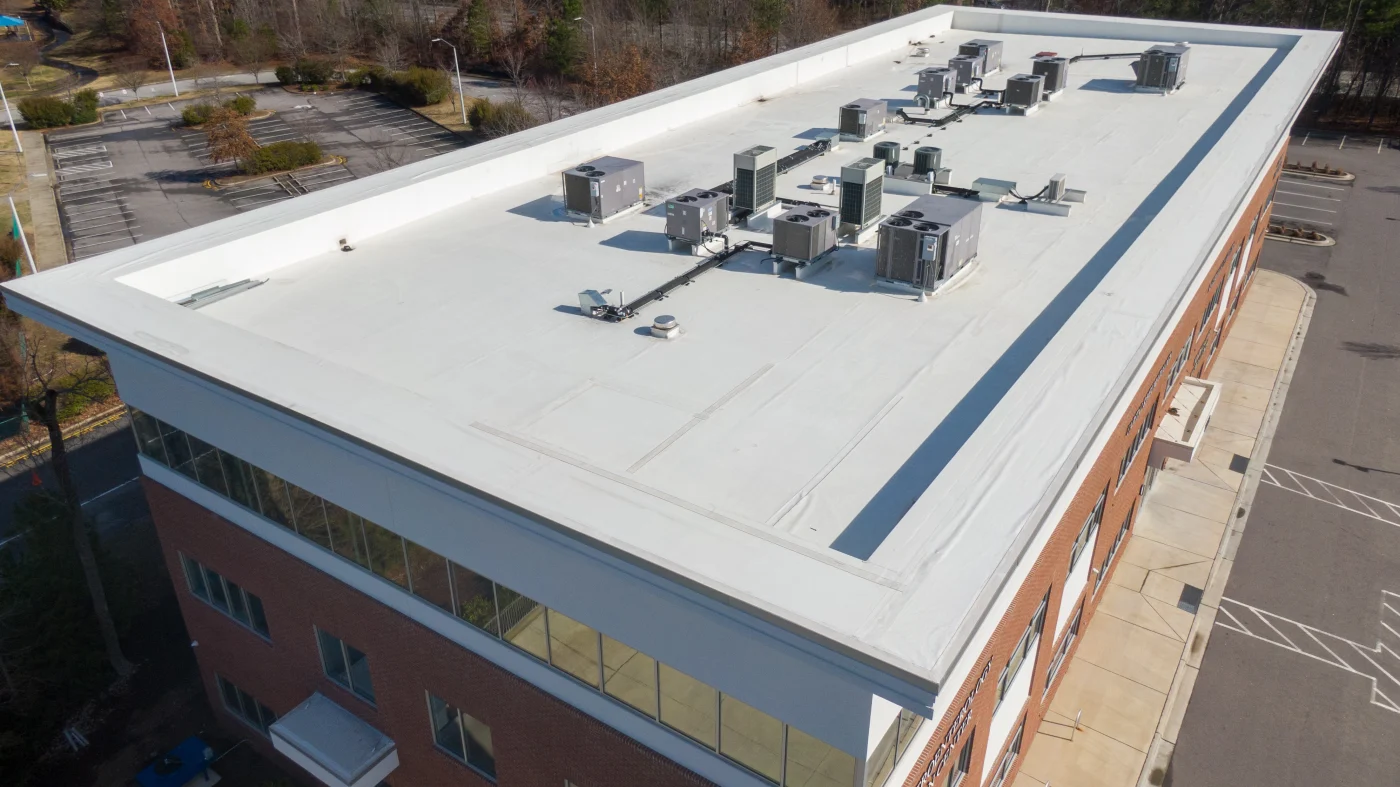
Most of the emergency calls we see involve failing TPO seams, ruptured EPDM membranes, and long‑standing ponding issues that finally turn into active leaks under heavy rain or wind. These failures often affect more than 25% of the roof area, which means they trigger Title 24 obligations even if the owner is only planning a “repair.” When that threshold is crossed, post‑repair surfaces must improve SRI performance, moisture must be properly documented and mitigated, and energy baselines must be re‑established. Our job is to help you meet those requirements under emergency conditions without slowing down the response.
Read More
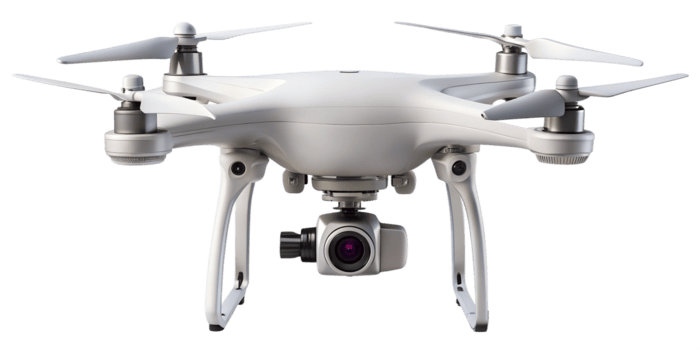
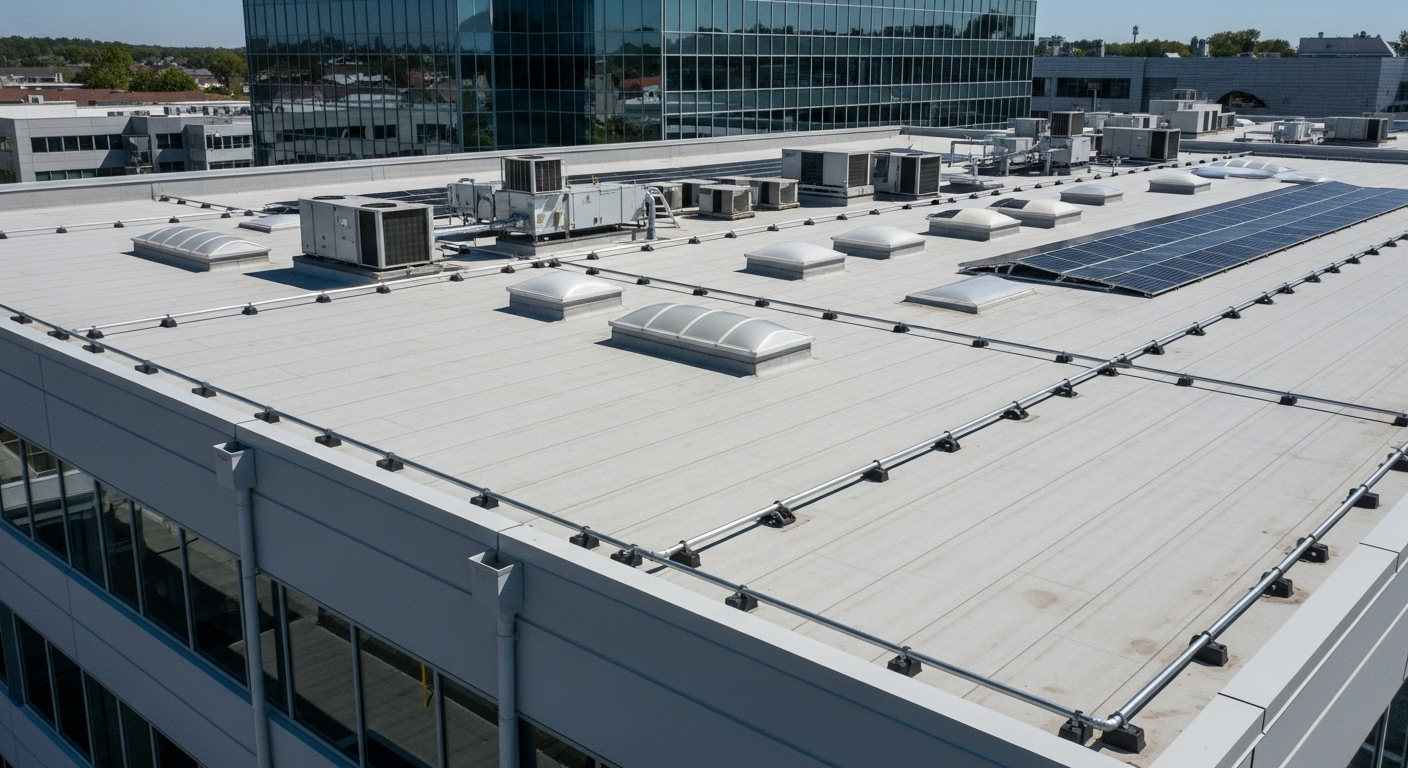
Within 48 hours of your request, our team deploys a drone‑based thermal imaging scan to your site. This infrared scan pinpoints the hottest and wettest parts of your roof, mapping seam failures, saturated insulation, and hidden moisture beneath the surface. Because this data is captured from the air, it can often be collected even when conditions on the roof are unsafe for extended manual inspection. The resulting emergency thermal report shows insurers, contractors, and permitting officials exactly where the damage is—and where targeted repairs or partial replacement are required.
From that scan, Urban Climate Initiative prepares an immediate incentive and compliance report. This document is designed for rapid use by adjusters, building departments, and contractors. It outlines the areas affected, shows how much of the roof area has been compromised, and recommends which repair or partial replacement strategies can both stop the leak and improve SRI performance toward Title 24 standards. At the same time, we identify eligibility for LADWP and SCE emergency repair grants, fast‑track Title 24 documentation, and, when appropriate, accelerated C‑PACE financing for larger emergency scopes.
In many cases, emergency repair funding can cover 30% or more of immediate costs when paired with the right documentation. For example, in a recent LA warehouse storm event where roughly 40% of the TPO membrane failed, we deployed a thermal scan within 24 hours, secured an $87,000 LADWP grant, and coordinated a Title 24‑compliant repair strategy that was completed in less than two weeks. Compared to a cash‑only emergency payment, the owner saved more than 40% while still meeting post‑repair SRI and warranty requirements.
Our nonprofit team also works directly with pre‑vetted contractors who understand how to combine emergency repair techniques with cool roof upgrades. This reduces the risk of “patch now, redo later” projects that waste capital and create future compliance headaches. Instead, emergency work can be structured as the first phase of a broader, code‑aligned solution that stabilizes the building, improves reflectivity, and sets the stage for long‑term energy savings.
Because emergencies are stressful, we place a strong focus on coordination. Urban Climate Initiative helps align communication between owners, property managers, insurers, contractors, and permitting offices. Our reports are written to answer the questions each party needs: where the failure is, how large the affected area is, what repair or replacement options are compliant, and which funding sources are available. This reduces back‑and‑forth, accelerates approvals, and keeps projects moving while the situation is still urgent.
Even in an emergency, your roof project can contribute to a cooler, more resilient Los Angeles. Upgrading damaged areas with higher‑SRI materials and properly documented moisture mitigation helps reduce peak roof temperatures, protect the building envelope, and cut long‑term energy use. As more buildings respond to roof failures with Title 24‑aligned solutions, the city benefits through lower heat retention, improved air quality, and less strain on the grid during extreme weather.
If you are dealing with an active leak, storm damage, or a suspected structural issue on a flat or low‑slope commercial roof in LA, our emergency program is designed for you. With rapid thermal imaging deployment, immediate incentive reporting, and coordinated contractor and funding support, you gain a calm, data‑driven path through an otherwise chaotic event.
Request an emergency roof assessment today to secure 48‑hour thermal imaging, fast‑track Title 24 documentation, and access to grants and financing that can significantly reduce the cost of urgent repairs—while keeping your building dry, compliant, and ready for the next storm.
We’re a 501(c)3 nonprofit focused on fighting the “Urban Heat Island Effect” by helping property owners qualify for cool roof repair and replacement grants.
Our free thermal imaging report opens access to multiple state, utility, and manufacturer incentive programs.



Serving Los Angeles
Rapid Response Roof Repair Incentives
LA commercial emergency repairs qualify for immediate funding:
- ✓ **48-hour thermal imaging** deployment
- ✓ **LADWP emergency repair grants**
- ✓ **Title 24 emergency compliance documentation**
- ✓ **C-PACE accelerated financing** for urgent needs
Common LA Commercial Roof Emergencies
Leaking TPO seams (80% of calls)
EPDM membrane failures
Flat roof ponding + structural risk
HVAC unit base leaks
Wind damage to perimeter flashing
Title 24 Emergency Repair Requirements
Even urgent repairs trigger compliance when >25% roof area affected:
- **SRI 50+ improvement** post-repair
- **Moisture mitigation documentation**
- **Energy baseline re-established**
- **24-month warranty minimum**
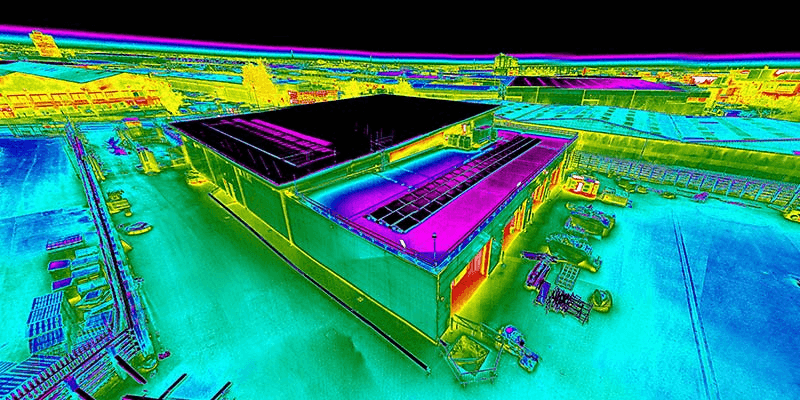
Drone thermal scan
✅ Pinpoint failure areas
Immediate incentive report
✅ LADWP/SCE eligibility
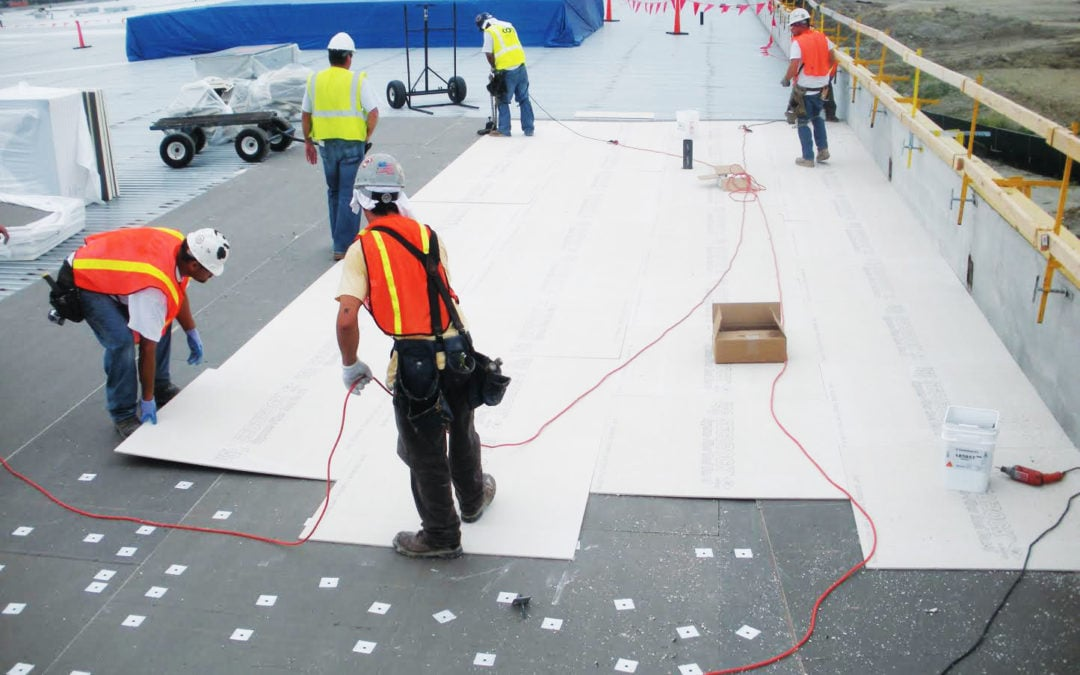
Contractor coordination
✅ Pre-vetted Title 24 specialists

Funding applications
✅ 30% avg immediate coverage
Case Study: LA Warehouse Storm Damage
Issue: 40% TPO membrane failure after winds
Thermal Scan: 24 hours post-storm
Incentive Secured: $87k LADWP grant
Repair Completed: 12 days
Total Savings: 42% vs. emergency cash payment
Title 24 Emergency Repair Requirements
Even urgent repairs trigger compliance when >25% roof area affected:
SRI 50+ improvement -post-repair
Moisture mitigation documentation
Energy baseline re-established
24-month warranty minimum
Why Choose Emergency Roof Incentives?
✅ **Faster permitting** with pre-approved documentation
✅ **Contractor payment direct** from grants
✅ **Insurance coordination** included
✅ **Title 24 compliance** despite urgency
Emergency LA Roof Repair Request
Response within 4 hours
Who We Are
Urban Climate Initiative is a California 501(c)3 nonprofit focused on helping commercial building owners access funding to make energy efficient upgrades to their properties – which will, in turn, help to reduce the urban heat island effect.Our overall mission is to empower city residents and property owners to take meaningful action against climate change through energy efficiency, collaboration, and sustainable practices — creating cooler, cleaner, and more resilient cities.
Why Choose Us
How Our Program Works
Three Simple Steps to Secure Your Cool Roof Subsidy
Get Your Free Areal Thermal Scan
Our licensed drone team surveys your roof using infrared imaging — a $500–$1,000 value provided free for California commercial property owners.
Receive Your Qualified Report
You’ll receive a full diagnostic, mapping heat loss and roof degradation, designed to meet California incentive verification requirements.
Apply for Your Subsidy
With our guidance, apply for applicable state rebates and cool roof subsidies that can cover up to 50% of your repair or replacement cost.
Common Questions
How do I get started?
The process is simple! Click the "Take Action" button to request your free thermal scan. Once the scan is complete, our team will walk you through your Action Plan and the grant application process.
Customer Support
714-777-1258
Email Support
contact@urbanclimateinitiative.org
Traditional inspections often miss what’s happening beneath the surface. Our drone technology changes the math on your commercial roof replacement:
Pinpoint Moisture Mapping: We identify exactly where insulation is compromised. This allows us to determine if you need a full commercial roof replacement or if a more cost-effective commercial roof repair and restoration will suffice.
Qualify for High-Value Rebates: Many California grant programs—including those for "Cool Roof" technology—require proof of energy inefficiency. Our thermal reports provide the "before" data needed to qualify for thousands of dollars in rebates that offset the cost of your new roof.
Prevent Change Orders: There’s nothing worse than starting a commercial roof replacement and finding hidden rot. Our scans identify these issues upfront, giving you an accurate bid and preventing costly mid-project price hikes.
This occurs when cities replace natural land cover with dense concentrations of pavement, buildings, and other surfaces that absorb and retain heat. This can make urban areas up to 15°F hotter than surrounding rural areas, leading to higher energy costs and structural wear on buildings.
Qualified California building owners can often secure state-backed grants that cover up to 50% of the cost for cool roofing repairs, restoration, or full replacements.
The Urban Climate Initiative empowers city residents and property owners to take meaningful action against climate change through education, collaboration, and sustainable practices. Our mission is to create cooler, cleaner, and more resilient urban environments by promoting energy efficiency, reducing carbon footprints, and mitigating the urban heat island effect.
We equip commercial building owners with thermal data and financial resources to implement "cool roofing" solutions, making buildings more energy-efficient and resilient.